Japanese Tattoo Art: History, Symbolism & Modern Appeal
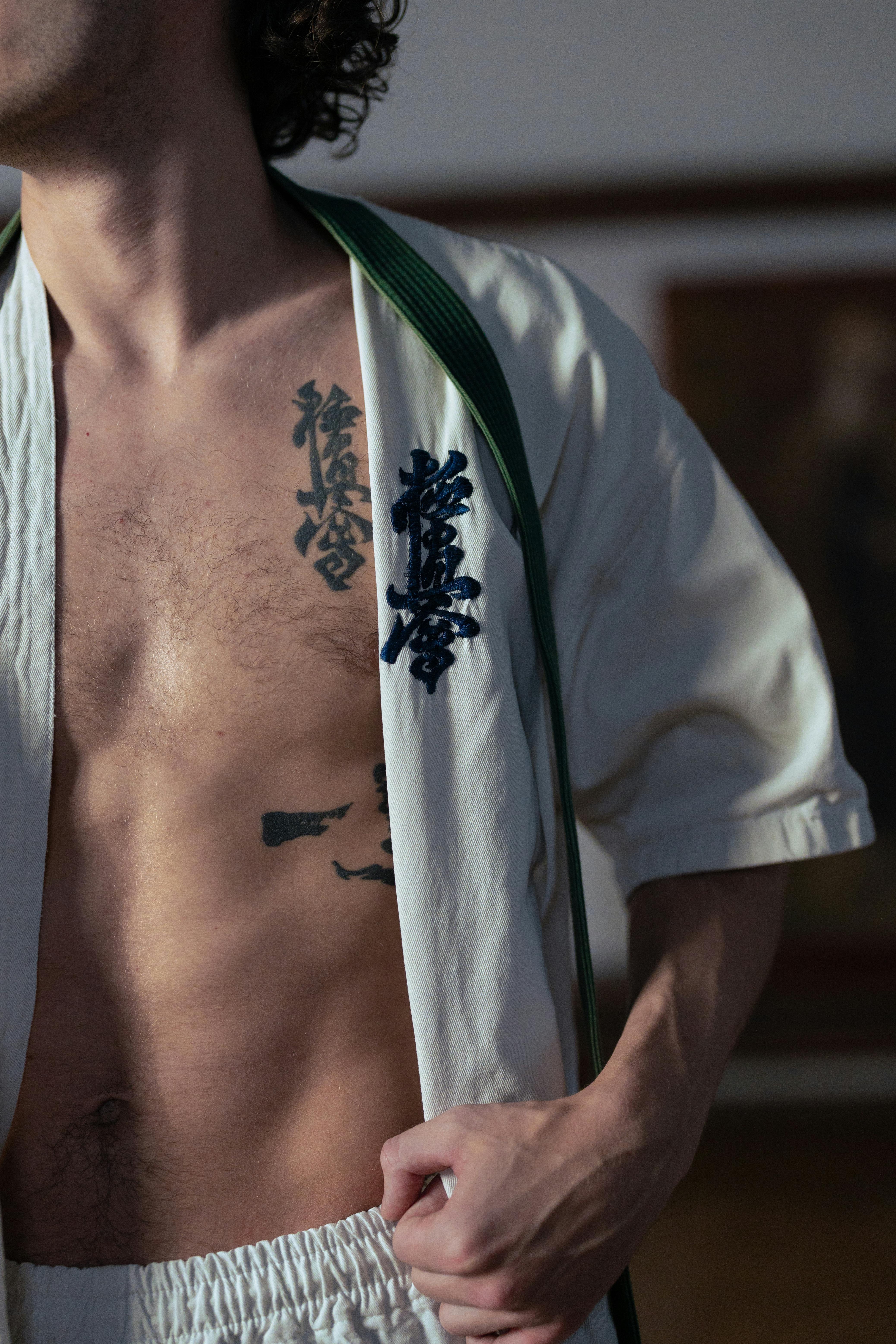
Japanese tattoo art, known for its intricate detail and deep meaning, has influenced body art across the world for centuries. Today, this traditional art form has found new expression in modern studios and among tattoo enthusiasts everywhere. For those exploring Japanese-inspired designs, understanding the heritage behind these tattoos makes each piece even more personal and powerful. Whether you’re looking to get inked by a tattoo artist in Bangalore or searching for the best tattoo studio in Bangalore, the timeless allure of Japanese tattoo art continues to captivate.
The Roots of Japanese Tattoo Tradition
Japanese tattooing, or Irezumi, dates back thousands of years. Initially, tattoos in Japan served spiritual and decorative purposes, symbolizing protection or identifying social status. During the Edo period (1603–1868), tattoos evolved into a form of personal expression, often inspired by woodblock prints known as Ukiyo-e. Artists incorporated mythological creatures, deities, and natural elements that told unique stories about bravery, loyalty, and life’s impermanence.
By the Meiji era, tattoos were banned to promote Japan’s image as a modern nation, pushing the practice underground. Despite restrictions, traditional tattoo masters kept the art alive, passing it down through apprenticeships that valued discipline, endurance, and perfection. Their dedication helped preserve Irezumi’s identity as one of the most respected art forms in tattoo history.
Symbolism in Japanese Tattoos
Every Japanese tattoo carries symbolic meaning. Unlike many Western tattoos designed purely for aesthetics, Japanese motifs tell stories rooted in spiritual and cultural beliefs. Common elements include:
Dragon: Symbolizes strength, courage, and wisdom. Dragons in Japanese art are often benevolent, representing protection rather than destruction.
Koi Fish: Embodies perseverance and success through struggle, inspired by the famous legend of a koi swimming upstream to transform into a dragon.
Phoenix: Represents rebirth, transformation, and triumph over adversity.
Tiger: Stands for protection against evil spirits and strength in the face of challenges.
Cherry Blossoms (Sakura): Reflect the fleeting nature of life and the beauty found in transience.
Waves: Depict the unstoppable force of nature, often paired with koi or dragons to represent harmony between strength and flow.
Hannya Mask: Represents jealousy and transformation, capturing the emotional duality of beauty and rage.
A skilled tattoo artist interprets these symbols to create designs that resonate personally with each client. Many clients in Bangalore, for example, visit the best tattoo studio in Bangalore to consult professional artists who understand both traditional Japanese symbolism and modern tattoo techniques.
Technique and Style
Traditional Japanese tattooing is known for its distinctive style. The design usually features bold outlines, detailed shading, and a dynamic flow that adapts to the body’s contours. Historically, the process involved Tebori—a hand-poked method using needles attached to bamboo—requiring immense patience and skill.
Modern artists, however, have adapted these techniques to electric tattoo machines while preserving authentic visual elements. The artistry lies in maintaining the balance of strength and fluidity that characterizes traditional Japanese tattoos. Larger designs often cover the back, chest, or arms, allowing the imagery to flow seamlessly from one body part to another.
Japanese Tattoo Art in Modern Times
In contemporary culture, Japanese tattoos are celebrated worldwide as masterpieces of artistic expression. Their storytelling appeal goes far beyond Japan’s borders. Tattoo enthusiasts from every corner of the globe seek the craftsmanship and symbolism embedded in this ancient art form.
In Bangalore, the popularity of Japanese tattoo designs has surged among those who appreciate detailed, meaningful body art. Whether it’s a bold dragon sleeve or a delicate cherry blossom pattern, Japanese tattoos blend visual drama with narrative depth. Local tattoo enthusiasts often search for the best tattoo places in Bangalore that specialize in authentic Japanese styles executed with precision and creativity.
Many artists in Bangalore have trained extensively to master this art, blending traditional Japanese motifs with personalized interpretations suited for modern clients. Visiting a respected tattoo studio Bangalore ensures hygiene, craftsmanship, and customized artistry that bring traditional designs to life with modern flair.
Finding the Right Tattoo Artist in Bangalore
Choosing the right artist is key to ensuring that your Japanese tattoo carries both cultural integrity and artistic precision. Look for studios that emphasize consultation and portfolio review. The best tattoo studio Bangalore will not only understand design composition but also respect the cultural roots of Irezumi.
If you’re specifically looking for Japanese-inspired tattoos, discuss your chosen motifs, placement, and color preferences with your artist. Their skill in line work, shading, and storytelling will determine the final quality of your body art. Some of the best tattoo artist Bangalore professionals even create full-body compositions inspired by traditional Japanese tattoo layout principles.
FAQs
1. What makes Japanese tattoos unique?
Japanese tattoos are known for their storytelling nature, detailed artistry, and deep symbolism. Each design element—dragons, koi fish, cherry blossoms—represents themes like courage, life, transformation, or spirituality.2. Are Japanese tattoos suitable for beginners?
Yes, though they often involve large, detailed compositions, smaller Japanese motifs can be customized for first-time tattoo clients. Discuss options with your tattoo artist in Bangalore to create a design suited to your comfort level.3. Is it okay to mix Japanese symbols with other tattoo styles?
It’s possible, but blending styles should be done carefully. A professional artist from the best tattoo studio in Bangalore can ensure the final piece looks cohesive and maintains authentic Japanese aesthetics.4. How long does a Japanese tattoo take to complete?
The time depends on size and complexity. Detailed sleeves or back pieces may take multiple sessions over weeks or months. Always follow your artist’s aftercare instructions for best results.5. Where can I get an authentic Japanese tattoo in Bangalore?
Seek out the best tattoo places in Bangalore known for skilled line work, hygiene, and artistic collaboration. Many reputable studios in the city offer specialized Japanese tattoo designs that blend tradition with modern precision.Japanese tattoo art transcends time and geography—connecting ancient symbolism with modern individuality. Whether you prefer a koi fish symbolizing perseverance or a dragon representing wisdom, your tattoo becomes part of a living legacy. By choosing the best tattoo studio in Bangalore, you not only get a beautiful design but also an enduring piece of cultural artistry that speaks to your personal story.